
-
Email:zhao@hyliec.cn
-
Tel:+86 311 85273988
-
WhatsAPP:8613931128750



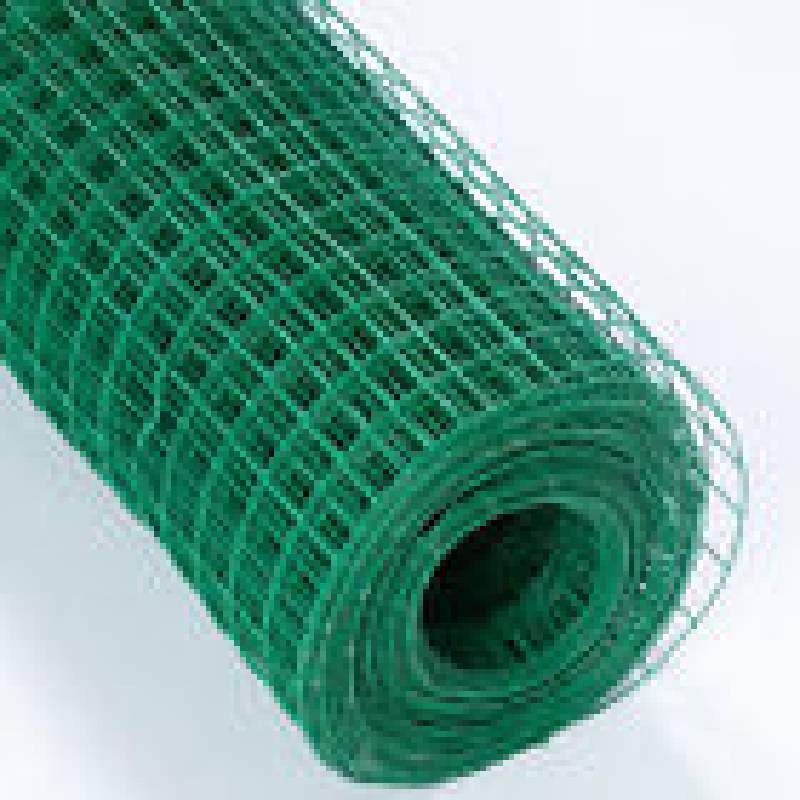
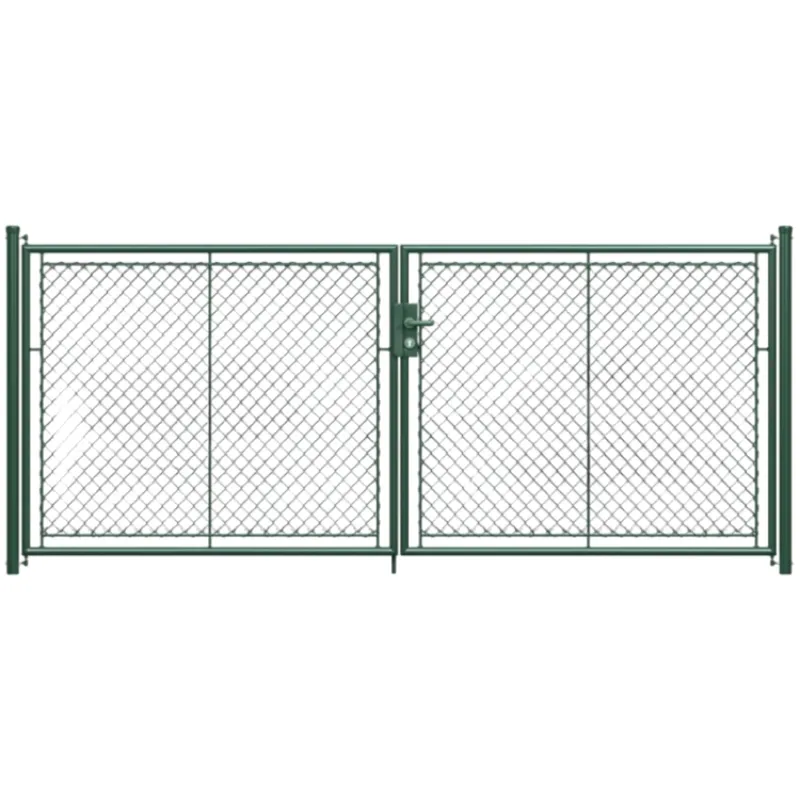
/Guide to Field Fence Installation Field fencing is an essential element for anyone looking to secure their land, whether for livestock management, protecting crops, or simply marking property boundaries. A well-installed field fence can provide safety, security, and a sense of order to agricultural operations. This article will guide you through the essential steps and considerations when installing a field fence. Planning Your Field Fence Installation Before you start digging and pounding stakes into the ground, careful planning is crucial. Here are the key considerations 1. Determine the Purpose Define why you need the fence. Are you keeping livestock in, or are you keeping wild animals out? The purpose will guide your choice of materials and design. 2. Choose the Right Material Field fences are available in various materials, including barbed wire, woven wire, electric fence, and post and rail. Each has its pros and cons. For instance, barbed wire is effective for containing livestock but may not be suitable for smaller animals. Woven wire offers more security and is less likely to entangle animals. 3. Measure the Area Accurately measure the perimeter of the area you want to enclose. Keeping this measurement handy will help you estimate how many posts, rolls of fencing, and other materials you will need. 4. Check Local Regulations Before proceeding, check local building codes and zoning laws. Some areas may have specific regulations concerning the height, type, and location of fences. 5. Get Your Tools Ready Gather the necessary tools for installation. Common tools include a post-hole digger, hammer, wire cutters, pliers, and a level. Having everything ready before you start will make the process smoother. Steps for Installing a Field Fence Once you have planned everything out and gathered your materials, you are ready to begin the installation . Here are the steps to follow field fence installation 1. Mark Your Perimeter Use marking paint or stakes to outline where the fence will go. This will help visualize the layout and ensure that your fence follows your planned design. 2. Set the Posts Posts are the backbone of a fence. Start by digging holes for the posts at regular intervals—generally, 8 to 12 feet apart depending on the type of fence. For a more stable fence, deep holes (at least one-third the post's height) are recommended. Insert the posts into the holes and use a level to ensure they are straight before securing them with gravel or concrete. 3. Attach the Fence Material After the posts are set, begin attaching the fence material. If you are using woven wire, unroll it along the posts and secure it with fencing staples. Make sure to stretch the wire tightly to prevent sagging, which can weaken the fence over time. 4. Add Gate Posts If your fence requires a gate, ensure that gate posts are placed more robustly because they will endure greater stress. Follow the same procedure as with your other posts but include additional support for the gate hardware. 5. Install Gates Once your main fence is complete, install the gates as per the manufacturer's instructions. Ensure they swing freely and can be securely latched. 6. Final Touches After the fence is fully installed, walk along the perimeter to check for loose wires or unstable posts. Make any necessary adjustments for stability and security. Maintenance Tips Once your field fence is installed, regular maintenance is essential to ensure its longevity. Periodically check the fence for rust, damage, or sagging. Repair any issues you identify, and make sure to clear any brush or debris that might be leaning against the fence. Proper maintenance will extend the life of your investment and keep your property secure. Conclusion Installing a field fence requires careful planning, the right materials, and a bit of hard work. With the right approach, you can create a functional and attractive boundary that serves your needs for years to come. Whether you are a seasoned farmer or a new landowner, a well-installed fence can make a significant difference in your agricultural practice or land management.

-
 Rich export experienceRich experience for fencing production and export to North of America, Europe, South of America, and South of Africa more than 20 years.
 -
Complete product systemThe Maintenance free coatings coupled with a durable design offer owners and developers a products that can match all project requirements for safety
-
High-quality productsHigh quality control and specialist team for production process, inspection, packaging, QC Etc. to meet customer requirements.
-
Excellent serviceProvide professional technical support to customers, High quality after- sales support ensures that customers have no worries at all.
-
 Durable and Versatile 1% Welded Wire Fencing for Secure Livestock and Garden ProtectionThe Benefits and Uses of 1% Welded Wire Fencing Welded wire fencing has become a popular choice for2026-04-04 10:23
 -
 Durable Steel Chain Link Fencing Solutions for Security and Property EnhancementThe Benefits of Steel Chain Link Fences When it comes to securing property, whether residential or c2026-04-04 10:13
 -
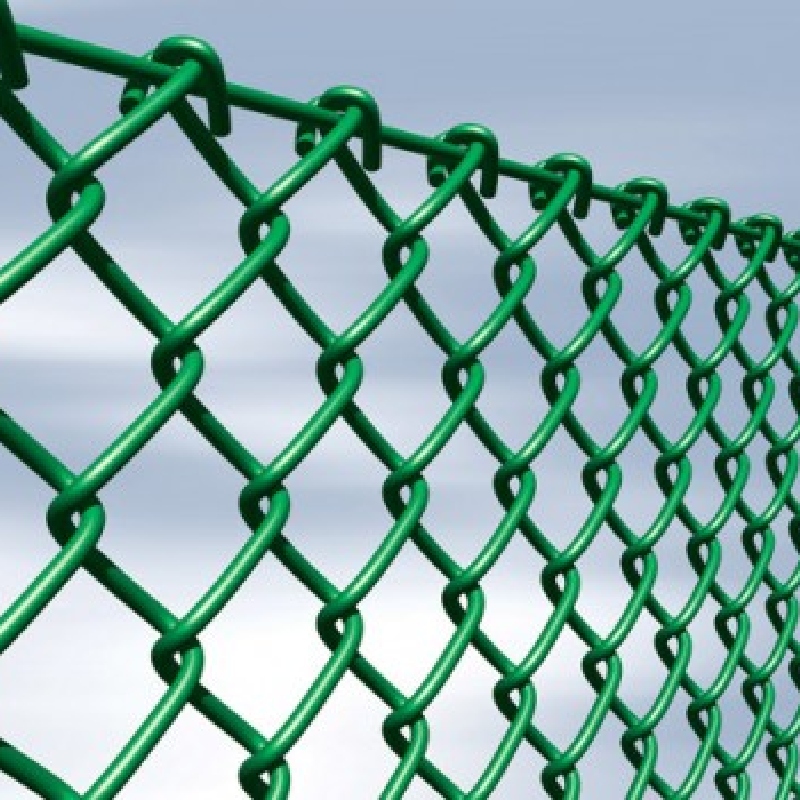 Durable and Secure Fencing SolutionsLooking to enhance your property with durable and secure fencing? Our fence panels for sale are the2026-04-04 09:24
 -
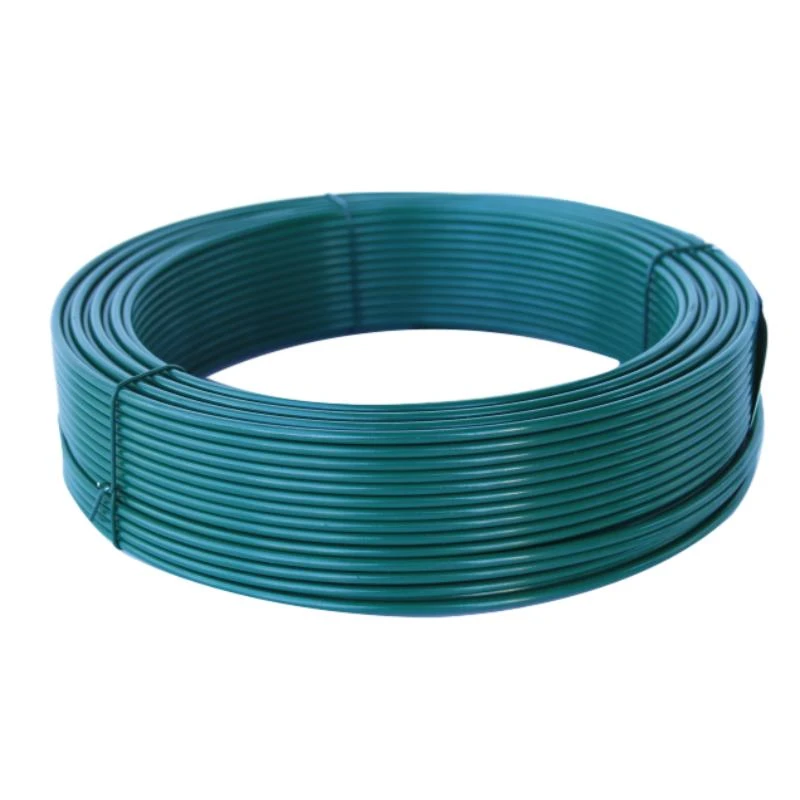 Creative Ideas for Unique Fence Post Designs and Their ApplicationsUnderstanding the Fence Post Ram A Unique Perspective The term fence post ram might sound obscure to2026-04-04 08:17